How to Choose a Dune Buggy Tour in Dubai
Start with the kind of drive you actually want
A dune buggy tour in Dubai can feel very different from one booking to the next. Some outings focus on a short burst of driving over rolling sand. Others build the drive around a longer desert trail, a sunset stop, or added activities such as sandboarding, a camel ride, or a BBQ dinner. Before comparing anything else, decide what kind of day you have in mind.
Think about pace first. If you want a lively ride with plenty of turns and open stretches, look for a route that gives drivers real time behind the wheel, not just a short photo stop. If you are travelling with children or prefer a calmer outing, a gentler route with regular pauses may matter more than speed. A dune buggy is still an off-road vehicle, so dusty conditions, bumps and sudden changes in terrain are part of the experience.
Also decide whether you want to drive or ride along. Many visitors picture themselves steering across the dunes, but that is not the right fit for everyone. A passenger can enjoy the landscape without the concentration required to handle the buggy. If two people want to drive, check whether that is part of the same outing or whether drivers take turns.
Set your route and timing before you compare extras
The Dubai desert changes with the time of day. Midday light is bright and harsh, while late afternoon brings softer colours and cooler air. A sunset tour can be appealing, but it may also be more popular, so planning ahead helps. If photography matters, ask where the route goes and whether there are stops where everyone can get out safely.
Route length is another practical point. A longer route is not always better if most of it is slow or crowded. Ask how much of the outing is driving, how much is stopping, and whether the terrain is mostly open dunes or a mix of trails. A desert trail can be a good choice for a steady ride, while open dunes suit people who want a more playful experience.

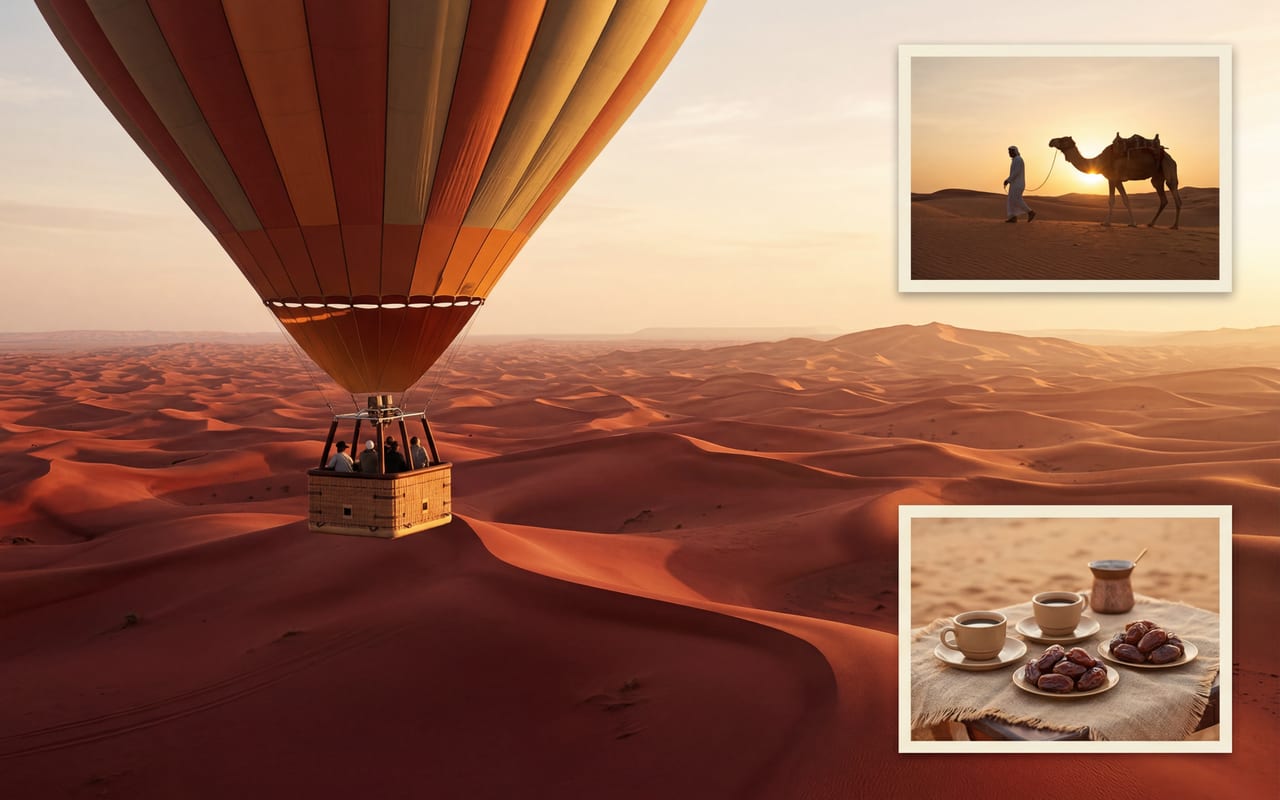
Extras can shape the value of the day. Sandboarding adds a short walking element and can be fun in the right conditions. A camel ride offers a slower contrast to the buggy. A BBQ dinner turns the drive into a fuller evening. These additions are useful only if you want them, so do not choose a package only because it looks busier. A focused drive with clear timing often feels better than a packed schedule that leaves little room to enjoy the sand.
If you are researching options online, a name such as atvdubaidesert.com can help you find a starting point, but the decision should still come back to route, timing, safety information and fit for your group.
Check who can drive and what rules apply
This is where many bookings go wrong. Driving rules for a dune buggy can depend on age, licence requirements, local regulations and the operator's own policy. Do not assume that everyone in the group can take a turn. Confirm who is allowed to drive before paying, especially if teenagers or older children are part of the party.
Ask about passenger rules too. Children may need to ride in a particular seat, and some buggies may not be suitable for very young passengers. If anyone has mobility needs, back pain, neck problems or motion sickness, raise that before the day. Bumps and side slopes can be uncomfortable even for people who normally travel well.
Clothing is part of this stage as well. Choose closed shoes, breathable layers, sunglasses and protection from sun and sand. Loose scarves can flap in the wind, and sand can find its way into cameras and bags. A small face covering or buff can make the ride more comfortable in dusty conditions. Anything loose should be secured before the buggy moves.
Look closely at safety and briefing details
Safety does not need to be a dull part of the decision. Clear information usually makes the whole experience easier to enjoy. Before booking, check whether a helmet is provided, how sizes are handled, and whether the briefing covers basic controls, hand signals, stopping distance and what to do if the group spreads out. A good briefing should help a new driver feel calm rather than rushed.
Pay attention to how the route is managed. Off-road driving should not mean everyone doing whatever they like. Group rules help keep vehicles apart and reduce the risk of collisions. Ask what happens if a driver feels unsure, wants to slow down, or needs assistance on the route. The answer should be straightforward.
It is also sensible to ask about insurance, deposits and what happens if a vehicle is damaged. Terms vary, and the details matter. Read the wording instead of relying on a short summary. If something is unclear, ask for it to be explained in plain language before you commit. For mechanical problems, fault diagnosis and repairs belong to qualified professionals. No customer should be expected to work on a buggy, adjust safety equipment, or deal with a suspected mechanical issue during the outing.
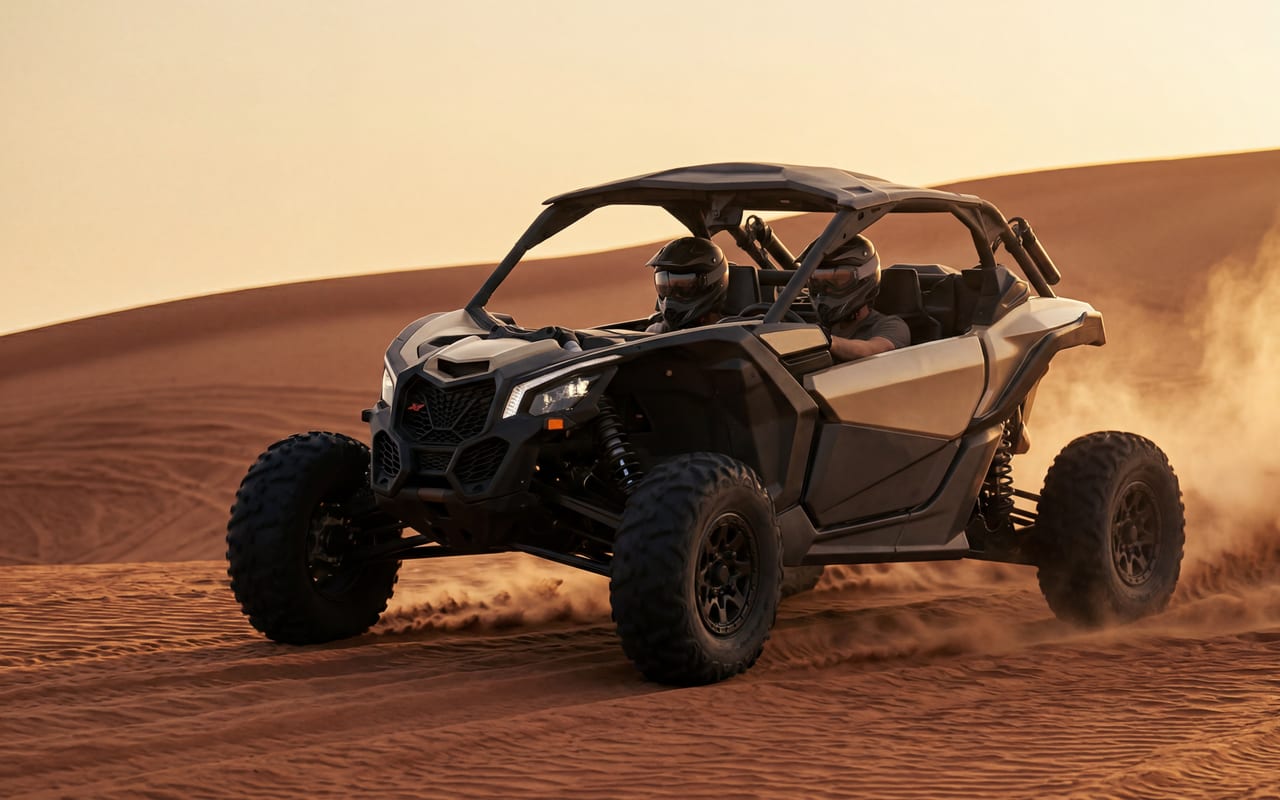
Weather can change plans. Strong wind, heavy rain or poor visibility can affect desert driving. A responsible operator may alter the route or delay the outing when conditions are not suitable. When checking terms, see how changes are handled and keep some flexibility in your own schedule.
Compare the full outing, not just the headline
Once the basics are clear, compare options on what is included and how the day is structured. Look at the length of the drive, the number and type of stops, whether drinks or meals are part of the plan, and how much time is spent transferring between places. A short drive with a long wait can feel disappointing, while a well organised outing with fewer extras may be much smoother.
Group size can change the mood. A smaller group may give drivers more room and make the briefing easier to follow. A larger group can still work well, but it needs clear organisation. Ask whether departures are shared or private, and whether the route is adjusted for mixed abilities. If your group includes nervous drivers, that detail can matter more than the vehicle type.
Transport to the desert is another point to confirm. Some plans include pickup, while others meet at a set point. Check the meeting details, arrival time and what happens if you are late. Desert starts can be strict because the route, light and group schedule all depend on timing.
When comparing names, it helps to keep notes in the same format for each option. You might use a short list like this:
- Route: open dunes, desert trail or a mixed route
- Timing: morning, afternoon or sunset tour
- Driving: who can drive, who rides along, and whether turns are included
- Safety: helmet, briefing, group rules and route support
- Extras: sandboarding, camel ride, BBQ dinner or none
That kind of comparison keeps the decision grounded. It also makes it easier to spot an option that looks attractive but leaves out something your group cares about.
Read the fine print, then make the final choice
Before you book, check cancellation terms, payment terms and any conditions linked to weather or route changes. Keep a record of what was promised, including the start time, inclusions and driving arrangements. If details arrive by message or email, save them. Clear records help if plans shift.
Do a final fit check with your group. Everyone should understand that this is an off-road activity in a live desert environment. Sand, heat and motion are part of it. The best choice is usually not the most dramatic option on paper, but the one that matches the group's comfort, time and expectations.
A dune buggy tour dubai works best when the route, rules and extras suit the people taking part. Choose the drive first, then the schedule, then the add-ons. Keep safety information and driver requirements high on the list, and avoid paying until the unclear points have been answered. With those checks in place, the decision becomes much simpler, and the day is far more likely to feel well spent.
One last practical habit is to review the meeting instructions the day before. Confirm the start time, where to meet, what to bring and how long the outing should take. This avoids the common mistake of arriving dressed for a city day and then spending the drive squinting through dust. A little preparation before leaving makes the transition into the desert much easier, especially when the route begins soon after arrival.